As a functional material with extremely high specific surface area and porous structure, activated carbon plays an irreplaceable role in many fields such as environmental protection, industry, medical treatment, energy and so on, by virtue of its excellent adsorption performance. Its unique adsorption mechanism enables it to efficiently capture all kinds of pollutants and target substances in liquids and gases, and it has become the core material for cross-industry purification, separation and recovery. In this article, we will analyze the working principle of activated carbon and comprehensively sort out its core application scenarios to help readers accurately understand the practical value and selection logic of activated carbon.
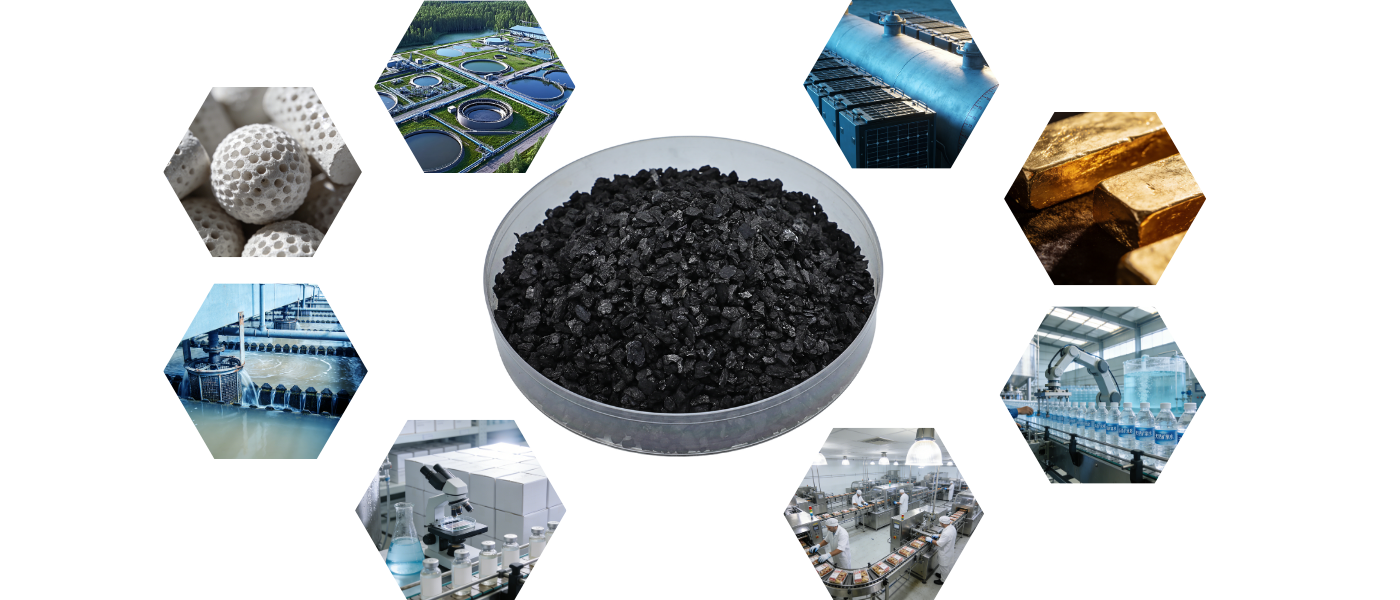
The adsorption ability of activated carbon originates from its special pore structure, large specific surface area and surface reaction activity, and the core of activated carbon realizes material capture through the combination of physical adsorption and chemical adsorption. The key factors affecting the adsorption effect include four major points: pollutant concentration (the higher the concentration of pollutants in the influent water, the larger the adsorption loading of activated carbon), complexity of the structure of the substance (the more complex the structure of the substance is, the easier it is to be adsorbed), molecular weight (the higher the molecular weight of the pollutant is, the better the adsorption effect will be), and temperature (the higher the temperature of the influent water or the influent gas is, the weaker the adsorption performance will be).
In a liquid-phase system, molecules of the substance to be removed migrate from the host liquid into the pores of the activated carbon, where they form a semi-liquid state and are adsorbed and immobilized. An additional key influence on liquid phase adsorption is solubility – the higher the solubility of a substance, the more difficult it is to be adsorbed by activated carbon. Therefore, the adsorption capacity of organic molecules typically increases with increasing molecular weight and improves with decreasing solubility, and this law provides an important basis for activated carbon selection for liquid phase treatment scenarios.
Gas-phase adsorption is essentially the condensation of pollutant molecules into a liquid state by adsorption, which in turn leads to gas purification in the pores of activated carbon. In addition to the basic influencing factors, gas-phase adsorption is governed by three major factors: vapor pressure (the lower the vapor pressure, the easier the substance is adsorbed), relative humidity (the lower the humidity, the better the adsorption effect), and polarizability (the more polar the substance is, the harder it is to be adsorbed). This characteristic gives activated carbon a significant advantage in gas purification, odor treatment and other scenarios.
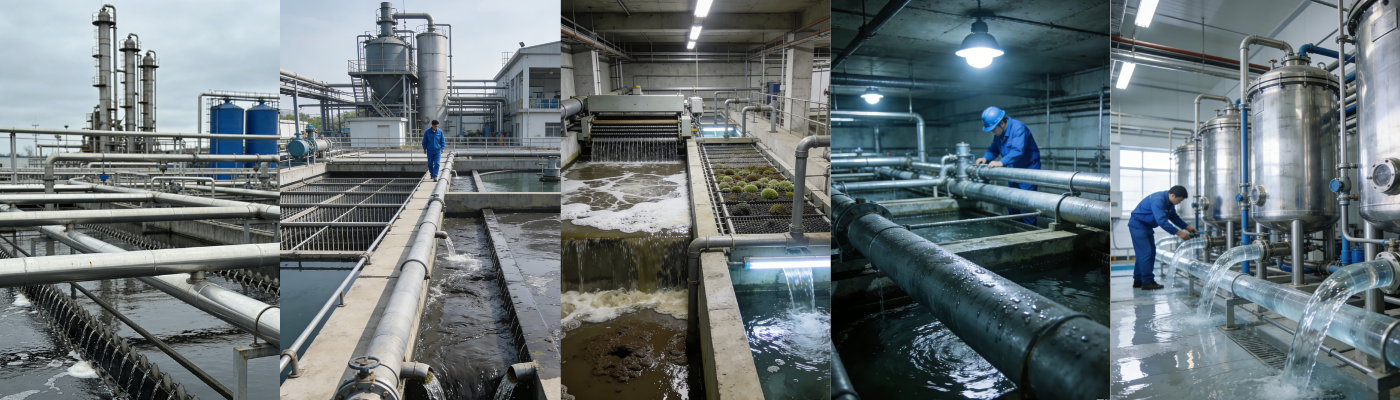
Activated carbon has the widest range of applications and the most mature technology in the field of water treatment. With its adjustable pore structure, strong adsorption selectivity and stable chemical properties, activated carbon can accurately meet the needs of industry, municipal government, drinking water, remediation of contaminated sites and other types of water purification, and it is one of the indispensable core materials in the current environmental protection water treatment system. Whether for routine water quality optimization, deep removal of pollutants, or emergency water quality management, activated carbon can play a key role by virtue of its efficient adsorption capacity, providing cost-effective and stable water treatment solutions for different scenarios.
a.Industrial Wastewater Treatment
Industrial wastewater has complex composition and large differences in pollutant concentration, and activated carbon can be customized to meet the purification needs of various industries. It can efficiently adsorb dye pigments in textile wastewater, intermediate impurities in pharmaceutical wastewater, toxic organics in petrochemical wastewater, and oil and grease residues in food processing wastewater, etc., and at the same time, it can reduce COD and BOD values, cut wastewater toxicity, and help enterprises meet the standards for wastewater discharge or even recycling, taking into account both environmental compliance and cost control.
b.Municipal Wastewater Treatment
In municipal wastewater treatment, with the improvement of environmental protection requirements and the increased demand for water recycling, activated carbon has become one of the core processes for municipal wastewater deep treatment. After the secondary biochemical treatment, the wastewater still retains a small amount of difficult to degrade organic matter, chromaticity, odor and trace pollutants, at this time through the activated carbon polishing purification, can be removed in depth such impurities, so that the effluent water quality to meet the environmental quality standards of surface water to meet the requirements of discharged into the natural water body; for the recycled water use scenario, the wastewater treated by the activated carbon can be adapted to the reuse of greening irrigation, road sweeping, industrial cooling, etc. For recycled water utilization scenarios, activated carbon treated wastewater can also be adapted for reuse in green irrigation, road sweeping, industrial cooling, etc., helping to build a water-saving city.
Activated carbon is a key material for ecological remediation of groundwater and leachate problems caused by pollution from landfills, chemical leaks, pesticides and fertilizers. This kind of water body contains benzene, halogenated hydrocarbons and other difficult to degrade highly toxic organic pollutants, the concentration of which fluctuates greatly and is easy to spread. Activated carbon can quickly capture the target pollutants through the static/dynamic adsorption process with an adsorption efficiency of more than 90%, which effectively reduces the risk of contamination and guarantees the safety of the surrounding soil and water.
Activated carbon can remove conventional pollutants in drinking water, but also optimize the sensory quality of water, ensure safety, efficiently adsorb natural organic matter, humus, etc., eliminate odors and chromaticity, and inhibit the generation of disinfection by-products such as trichloromethane. Activated carbon used for drinking water treatment has been calcined at a high temperature of 800-1000℃ and steam activated, the pore structure and adsorption activity have been strengthened, and it can accurately capture trace odorants such as earth odorants to ensure that the water is up to standard.
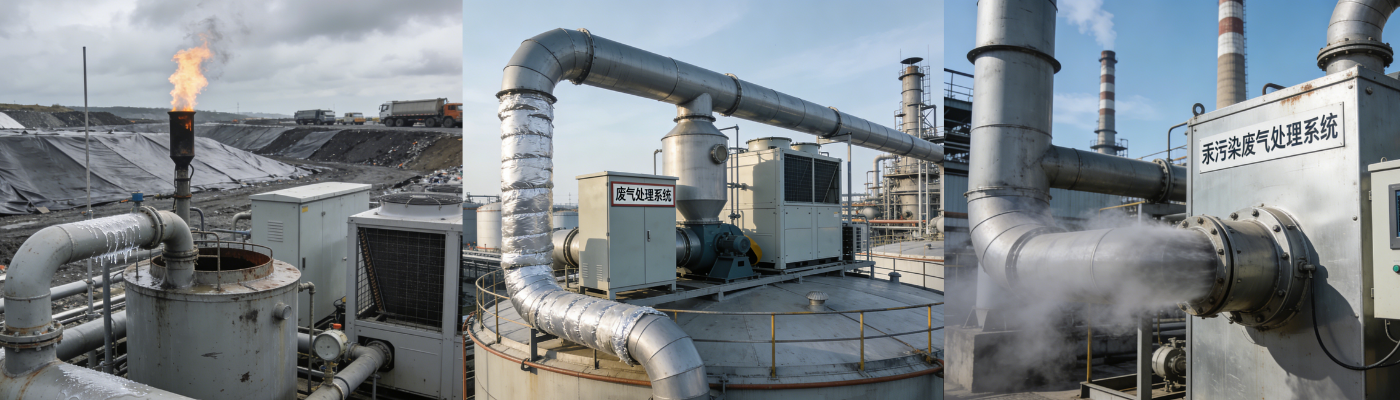
Activated carbon with excellent gas-phase adsorption performance is the benchmark material for air and gas purification, and has the core advantages of safety, high efficiency and wide applicability in the removal of VOCs, gaseous pollutants, odors and smoke. Compared with photocatalytic, biofilter and other technologies, it has a small footprint, convenient operation and maintenance, and controllable cost, which can easily meet the environmental protection requirements of various industries; and it does not require preheating, has a quick start and stop, and is sensitive to fluctuations in the concentration of pollutants, which is especially suitable for the scenes of intermittent production of chemical industry and garbage transfer station, and is the preferred solution for gas purification in various fields.
Hydrogen sulfide is a highly toxic and malodorous gas, which is widely generated in municipal wastewater plants, landfills, petrochemical wastewater tanks and other scenarios, which pollutes the air, corrodes the equipments, and jeopardizes the health of human beings. Activated carbon becomes the core of odor management in such scenes by virtue of its efficient adsorption and decomposition ability, which can target the removal of hydrogen sulfide generated in sewage treatment. Fixed in the pores by physical adsorption, the modified activated carbon can also be converted into harmless substances, and at the same time, it can synergistically adsorb the bad-smelling substances such as ammonia and amines to improve the air quality in the surrounding area.
VOCs are the main pollutants of industrial waste gas, which are widely sourced and toxic, and some of them will form photochemical smog. There are two core methods of activated carbon treatment of VOCs: one is the PAC injection process, which is directly injected into the flue gas pipeline for rapid adsorption of pollutants, and is suitable for high-concentration, sudden emissions, and is easy to operate; the other is the bed adsorption process, which is used to fill the adsorption tower with granular or extruded activated carbon, and is suitable for low-concentration continuous emissions, and the activated carbon can be regenerated by desorption and reduces the operating costs.
Mercury and its compounds are highly toxic, volatile and bioaccumulative, and the flue gas from coal-fired power plants and waste incineration plants is a major source of pollution. Impregnated PAC is a special treatment material, through the loading of active components both physical adsorption and chemical reaction ability, can be converted into stable particles of gaseous mercury, through the subsequent equipment to collect and remove, can be in the 100-400 ℃ wide temperature range to maintain a stable efficiency, is currently one of the mainstream technology of mercury treatment of flue gas.
3. Gold Recovery and Mining
The core of gold extraction by cyanidation is to dissolve the monomaterial gold in the gold ore through cyanide solution to form water-soluble gold-cyanide complexes (mainly [Au(CN)₂]-), and the porous structure and surface active sites of activated carbon can precisely adsorb the gold-cyanide complexes in the solution to realize the separation and enrichment of the gold and impurities. The adsorption of activated carbon on gold-cyanide complexes is characterized by strong specificity and fast adsorption speed, and it can work stably in the complex slurry system without significant interference from other impurity ions in the slurry, which lays the foundation for the subsequent analysis and recovery of gold, and the overall recovery of extracted gold can reach more than 90%.
This process is suitable for processing gold ores with high grade and moderate slurry viscosity, and the core process is “gold ore crushing and grinding → cyanide leaching → activated carbon adsorption → gold resolution and electrolysis”. After the completion of cyanide leaching of gold ore, granular activated carbon is added to the slurry, the slurry flows at a uniform speed in the stirring tank, and the gold-cyanide complex is gradually adsorbed onto the surface of the activated carbon, and after the completion of the adsorption, the gold-carrying activated carbon and the slurry are separated through screening, and then gold is recovered through the demineralization and regeneration process, and the activated carbon can be reused. This process is flexible in operation and adaptable to leaching conditions, and is one of the most commonly used gold extraction processes in large and medium-sized gold mines at home and abroad.
The core principle is the same as that of the carbon slurry method, but the process sequence is optimized by adding activated carbon and cyanide leaching agent into the slurry system synchronously, so as to realize the synchronization of gold leaching and adsorption. This process does not need to set up separate leaching tanks and adsorption tanks, with lower investment in equipment and more compact process flow, which can effectively shorten the production cycle, and at the same time, reduce the retention time of gold-cyanide complexes in solution and reduce the loss rate of gold. It is more suitable for treating gold ores with lower grade and easy oxidization of ore pulp, and is widely used in the extraction of small and medium-sized gold ores and difficult-to-process gold ores.
is mainly adapted to the heap leaching operation scenario, targeting the demand for gold extraction from low-grade gold ores, waste slag and other resources. Firstly, the gold ore is crushed and piled up in an impermeable heap leaching site, and cyanide solution is sprayed for leaching to form a gold-containing precious liquid; then the gold-containing precious liquid is pumped into an adsorption column filled with granular activated carbon, and when the precious liquid flows through the activated carbon column at a uniform speed, the gold-cyanide complex is adsorbed and retained by the activated carbon, and the purified poor liquid can be recycled for leaching operations. The process does not require mixing equipment, low energy consumption, easy operation and maintenance, can realize the efficient recycling of resources, and significantly reduce the cost of low-grade gold mining.
Activated carbon, with its efficient adsorption and decolorization performance, occupies an indispensable core position in the production of food and beverages, and mainly undertakes the three key duties of raw material purification, product decolorization, and odor removal, which directly affects the purity, color, taste, and safety of food and beverages, and it is an important material to ensure that the products comply with the industry standards and consumer demand. Its natural and environmentally friendly characteristics, without secondary pollution, meet the stringent requirements of the food and beverage industry for processing auxiliary materials, and are widely used in beverages, edible oils and various types of food deep processing scenarios.
In the production of beverages, undesirable substances (such as odors, pigments, impurities, etc.) brought by the raw materials or generated by the processing will affect the quality, and activated carbon can adsorb such substances to improve the purity and taste of beverages from the source.
Activated carbon should be selected according to the beverage process: powdered activated carbon (PAC) is fast adsorption, strong adaptability, batch dosing, and suitable for intermittent production; granular activated carbon (GAC) realizes continuous purification through bed filtration, and is suitable for large-scale production. For acidic or high-end beverage scenarios, special activated carbon with low acid soluble ash should be used to avoid affecting product quality.
Activated carbon used in edible oil refining is mostly made of wood or coconut shell-based raw materials, and after special activation process, it has moderate pore structure and adsorption selectivity, which can efficiently remove impurities without adsorbing nutrients (e.g., vitamins) in the oils and fats. In the actual process, activated carbon is often used in conjunction with white clay and other auxiliary materials, through the combined process of decolorization and deodorization, so that the edible oil can reach the standard of clear and transparent, pure taste and no peculiar smell, which significantly improves the quality and market competitiveness of the product and guarantees the safety of consumers’ diet.
5.Pharmaceutical and Medical Treatment
Activated carbon has a double value in the pharmaceutical field, both as a purification material for drug production and as an API (API) directly used for treatment. In API production, activated carbon can efficiently remove organic pollutants, pigment precursors, residual chemical reagents and other impurities, and at the same time achieve decolorization to ensure the purity, stability and safety of the final drug product. In medical applications, activated carbon is used as an effective antidote for poisoning and drug overdose, which can quickly bind toxins in the body and prevent them from being absorbed by the body; in addition, it can also be used for the treatment of gastrointestinal diseases, such as diarrhea, gastritis and bloating, which demonstrates a wide range of medical applicability.
Activated carbon developed pores can provide loading sites for metal active components. After loading metals or oxides by impregnation, the composite catalyst formed is highly efficient, stable and easy to separate, and has been applied on a large scale.
These catalysts are widely used in chemical hydrogenation, oxidation and other reactions, degradation of wastewater and flue gas pollutants, as well as in emerging fields such as fuel cells.
In petrochemical, printing, synthetic resin, rubber, film and sheet production, metal degreasing, rayon and viscose fiber manufacturing, chemical reagent purification, synthetic leather and synthetic fiber production, adhesive manufacturing and other industries, activated carbon can achieve efficient solvent recovery and recycling, reducing production costs and environmental pressure. Typical solvents that can be recovered include ether, acetone, toluene, trichloroethylene, carbon disulfide, hexane, alcohol, etc., which are suitable for the production needs of different industries.
Activated carbon is the core electrode material for supercapacitors, and almost all commercial supercapacitors use activated carbon as the energy storage medium. Its large specific surface area and rich pore structure can realize efficient storage and rapid release of charge, and the pore size can be adjusted according to the application requirements, which is suitable for different energy storage scenarios; at the same time, activated carbon has low cost and excellent electrical conductivity, which can prolong the service life of supercapacitor and its working stability, and it is an energy storage material that takes into account both the performance and cost-effectiveness.
The particle size is usually between 0.2-5 mm. Compared with other types of activated carbon, its external specific surface area is relatively small, but its internal pore structure is well developed, and its dispersion speed is fast, its mechanical strength is high, it can withstand the impact of water or air flow, and it is not easy to be pulverized. It is good at adsorbing all kinds of pollutants in the vapor, gas and liquid phase, especially widely used in the field of water treatment, which can be used for the deep purification of drinking water, industrial wastewater treatment and the deep polishing of municipal sewage, and is also suitable for the adsorption treatment of odor and volatile pollutants in the gas phase, with a longer service life, and it can be reused through regeneration to reduce the cost of use.
Powdered Activated Carbon is made of high-quality carbon raw materials (such as wood, coal, coconut shells) by grinding and crushing, and the particle size is usually between 10-50 microns, which has the significant advantages of large specific surface area and fast adsorption speed. Because of its fine particles, it can be directly added to the rapid mixing tank, raw water inlet, clarifier and other water treatment units, without the need for complex special equipment, can quickly adsorb odor, color, organic matter and sudden pollutants in the water (such as micro-plastics, pesticide residues), it is the commonly used materials for emergency water treatment and conventional water treatment, and it is also the core filler raw material for the carbon block filters, water purifier filter, and it is suitable for home and small It is suitable for domestic and small-scale commercial purification scenarios.
Extruded Activated Carbon is made of anthracite, charcoal powder or coconut shell charcoal powder as the core raw material, which is fully mixed with special binder and then extruded into cylindrical, spherical or flaky structure under high pressure, and then carbonized and activated. It is characterized by low pressure drop, low dust emission, excellent mechanical strength and strong structural stability, which can effectively reduce the resistance of gas or liquid flow through and lower the energy consumption of the system. Based on these advantages, EAC is mainly used in gas-phase treatment scenarios, such as industrial exhaust gas purification, indoor air treatment, VOCs recovery, etc. It is also widely used in CTO (Chlorine Oxide Removal) filters, which can efficiently remove residual chlorine, odor and impurities affecting the taste of the water, and safeguard the quality of the water produced.
On the basis of the porous structure of ordinary activated carbon, silver, iodine, zinc, copper and other inorganic compounds are loaded through the impregnation process, so that the material combines both adsorption performance and bactericidal and catalytic functions. Among them, silver-loaded activated carbon is the most widely used, silver ions can effectively inhibit the growth and reproduction of bacteria, mold and other microorganisms in the water to prevent secondary pollution, and is commonly used in drinking water purification, water purifier cartridge, aquarium water treatment and medical water disinfection and other scenarios; iodine-carrying activated carbon plays a role in gas masks, air purification equipment, can be targeted to the adsorption of toxic gases, to enhance the effect of purification and protection.
With its unique structure and adsorption properties, activated carbon has shown irreplaceable value in many fields such as water treatment, air purification, gold recovery, food and medicine, energy storage, etc., and it is a core material in environmental protection and industrial production. With the upgrading of environmental protection requirements and the development of new energy industry, the application scenarios of activated carbon will be further expanded and the demand continues to grow. Mastering its working principle, application characteristics and selection logic can maximize the value of activated carbon and provide support for cost reduction, efficiency improvement and green development of various industries.