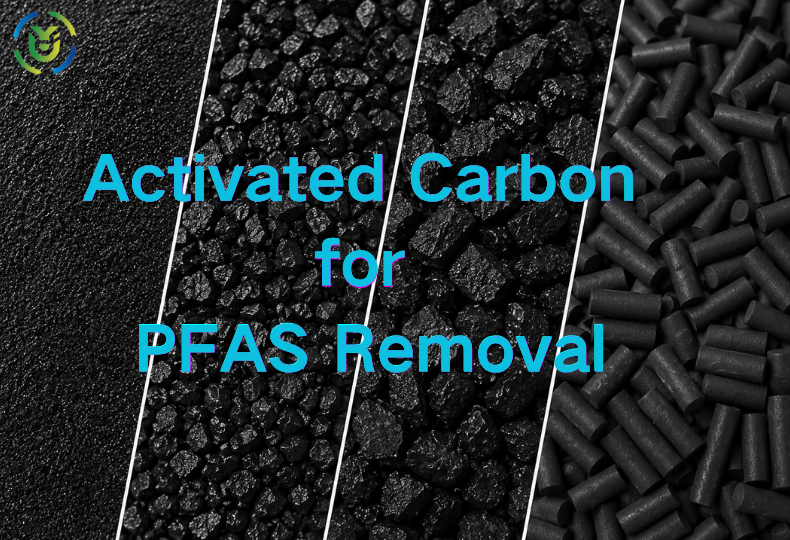
How to Select Activated Carbon for PFAS Removal
The pollution of perfluorinated and polyfluorinated alkyl substances (PFAS, also known as “permanent chemicals”) has spread all over the world, involving drinking water, groundwater, industrial wastewater and other fields, posing a serious threat to the ecological environment and human health. As the most mature, cost-effective, and scalable PFAS removal technology, activated carbon plays a key role in municipal water treatment, industrial wastewater treatment, and environmental remediation. This paper aims to provide comprehensive guidance to municipal water treatment operators, industrial wastewater managers, environmental remediation professionals and procurement teams to help them select the right activated carbon for their needs and ensure PFAS removal effectiveness and compliance. Why Remove PFAS? What Is PFAS And Its Pollution Sources PFAS are a class of synthetic chemicals with strong carbon-to-fluorine bonds, known as “permanent chemicals” because of their extreme persistence. Common types include perfluorooctanoic acid (PFOA), perfluorooctanesulfonic acid (PFOS), perfluorohexanesulfonic acid (PFHxS), GenX, and short-chained PFAS (e.g., perfluorobutyric acid, PFBA, perfluorobutanesulfonic acid). PFBA, PFBS), and so on. The sources of pollution are wide-ranging, including industrial production processes, firefighting foams, food packaging, textiles, etc., which will enter the water environment through various ways and form long-term pollution. Hazards Of PFAS Pollution And Global Regulatory Requirements The...