April 15,2026
How Powdered Activated Carbon Improves Wastewater Treatment
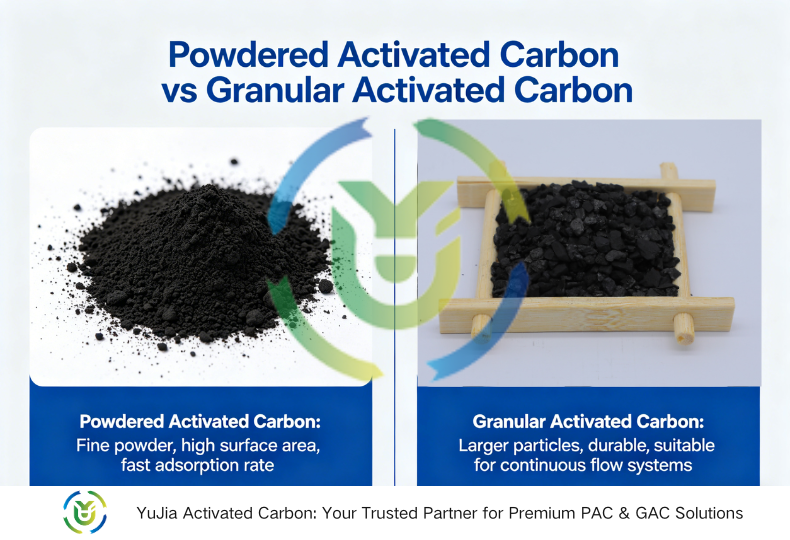
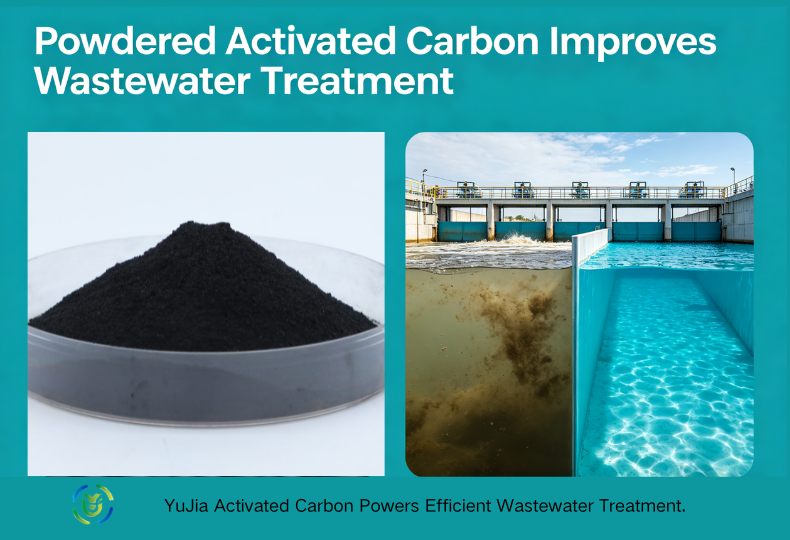
Powdered activated carbon (PAC) plays a vital role in modern wastewater treatment by effectively addressing increasingly complex pollutants and stricter environmental regulations. With its ultra-high specific surface area, rapid adsorption rate, and dual physical–chemical adsorption mechanisms, PAC can efficiently remove organic matter, color, odors, heavy metals, and emerging contaminants such as PFAS and pharmaceutical residues.
Widely applied in municipal, industrial, and emergency treatment scenarios, PAC offers flexible dosing, fast response, and strong adaptability to fluctuating water quality. It can be easily integrated with existing processes such as activated sludge systems, coagulation, and membrane filtration to enhance overall treatment performance.
Despite challenges such as sludge disposal and regeneration limitations, PAC remains a cost-effective and indispensable solution for advanced wastewater treatment. With future trends focusing on intelligent dosing, sustainable raw materials, and deeper integration with advanced technologies, PAC is expected to play an even more critical role in achieving higher water quality standards and promoting sustainable environmental protection.